
What is A Comprehensive Eye Exam?
This Exam Assess Both Your Vision Clarity and Your Overall Ocular Health
Unlike a basic screening, it can detect “silent” conditions like glaucoma or early signs of systemic issues like diabetes and high blood pressure.
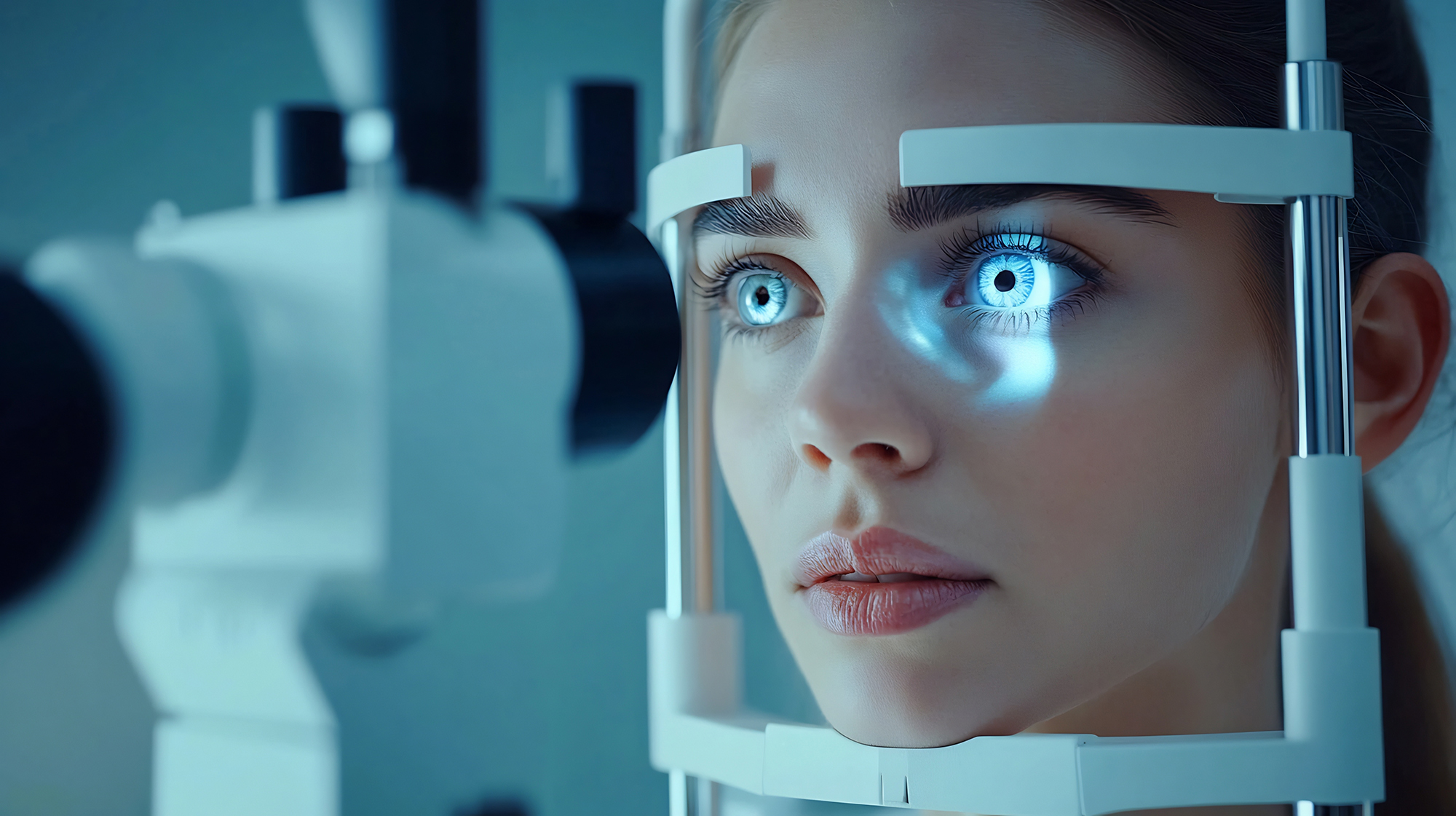
The American Optometric Association recommends an eye exam annually. Your eye doctor may recommend more frequent exams based on your individual needs.
What You Can Expect During Your Eye Exam:
 Vision Testing & Prescription Updates
You will read letters from a standardized Snellen eye chart to measure the sharpness of your vision. If you’re squinting, dealing with eye fatigue, or struggling with night driving, you may need an updated perscription. A comprehensive vision exam ensures your eyeglasses or contact lenses provide the sharpest, most comfortable vision possible.
Eye Disease Screening
Many serious eye diseases—including glaucoma, macular degeneration, and cataracts—develop without noticeable symptoms. Your doctor will measure the fluid pressure inside your eyes using either a quick puff of air or a gentle pressure-reading instrument.We thoroughly check your retina, optic nerve, and cornea to catch issues early, when they’re most treatable.
Retinal Imaging & Early Detection Technology
Most comprehensive eye exams involve dilating your pupils with eye drops to provide a wider view of the retina and optic nerve at the back of the eye. Advanced retinal imaging allows ua to take a high-resolution picture of your eye’s interior, helping detect sign of diabetes, high blood pressure, and cholesterol problems before they affect your daily life.
Pupil Dilation
Once dilated, each eye is examined using a special magnifying lens that provides a clear view of important tissues at the back of the eye, including the retina, the macula, and the optic nerve.
Eye Pressure & Peripheral Vision Testing for Glaucoma
Glaucoma, often called the “silent thief of sight,” can lead to permanent vision loss if left untreated. We measure intraocular pressure (IOP) and check your peripheral vision to ensure your optic nerve is healthy.
Systemic Health Clues Hidden in Your Eyes
Your eyes provide a window into your overall health. Conditions like hypertension, diabetes, and even autoimmune diseases can be detected through a simple eye health exam—sometimes before your primary care doctor notices symptoms.
Be Prepared for Your Eye Exam
- Bring Documentation: Have your current glasses, contacts, and a list of all medications and supplements.
- Prepare for Dilation: Dilation can cause light sensitivity and blurred near vision for several hours. Bring sunglasses and consider having someone else drive you home.
- Note Symptoms: Be ready to mention new flashes of light, floaters, or frequent headaches
What are the Benefits of a Comprehensive Eye Exam?
This is a Complete Exam that Evaluates All Aspects of Your Vision and Eye Health.
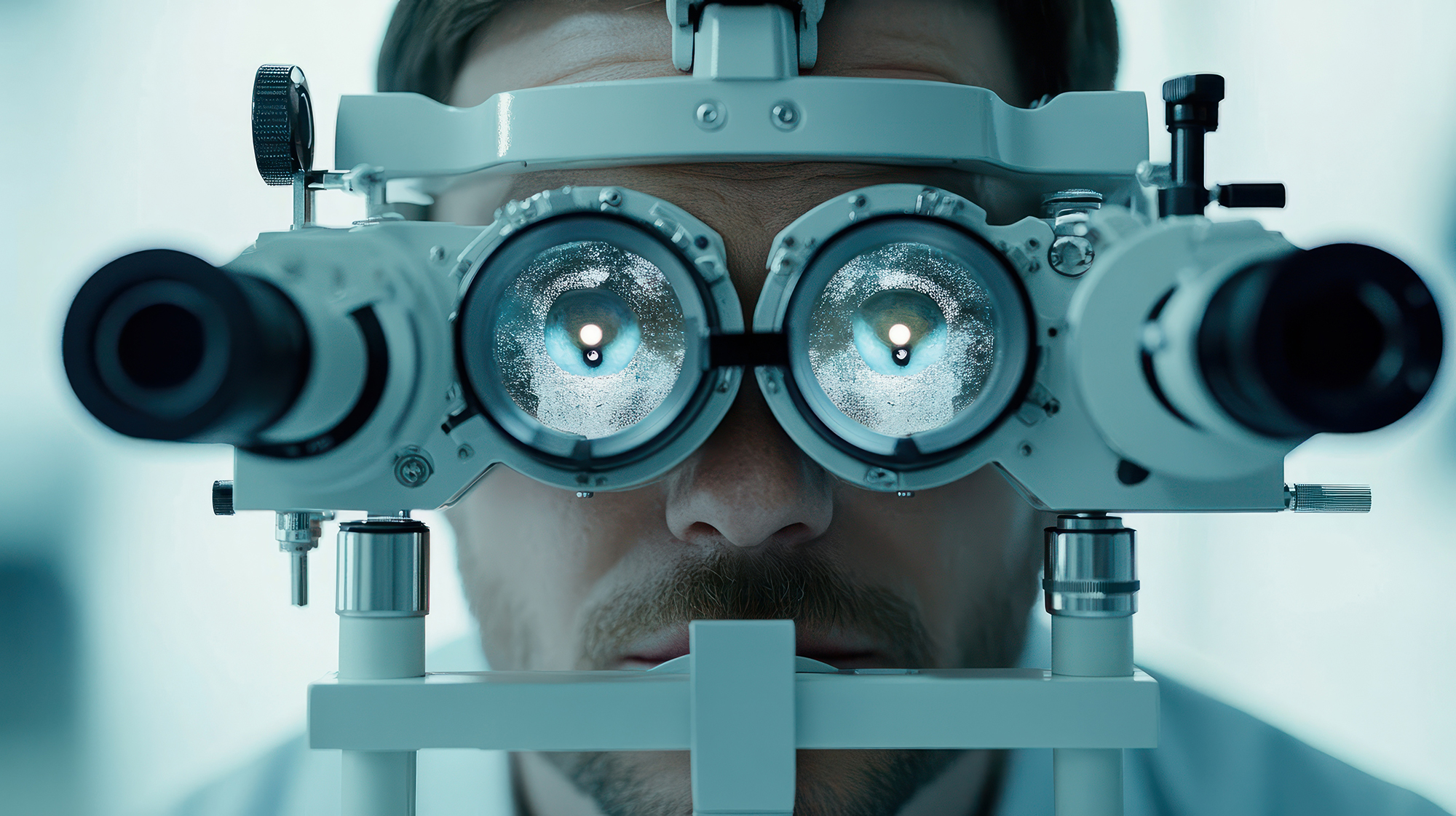
Did you know that your eyes can reveal hidden health issues before symptoms appear? A comprehensive eye exam is more than just updating your glasses prescription—it’s a full assessment of your eye health, vision quality, and overall well-being. Whether you’re experiencing blurry vision, eye strain, headaches, or dry eyes, routine eye exams help detect problems early and protect your long-term vision.
Your doctor can look at your eye externally and internally for any signs of eye disease, and then tests your vision in a variety of ways.
- External Exam – This is an evaluation of the whites of your eyes, the iris, pupil, eyelids, and eyelashes.
- Internal Exam – This is an evaluation of the retina and optic nerve while your eyes are dilated.
- Visual Acuity – Your doctor will test your vision with different lenses to determine if glasses or contact lenses can improve your vision.
- Visual Function and Eye Health – This includes testing depth perception, color vision, peripheral vision, and the response of the pupils to light, as well as an evaluation of eye focusing, eye teaming, and eye movement abilities.
- Glaucoma Testing – This is a test of fluid pressure within your eyes to check for the possibility of glaucoma.