Cataract surgery is one of the most commonly performed surgical procedures and has an excellent track record for improving vision.
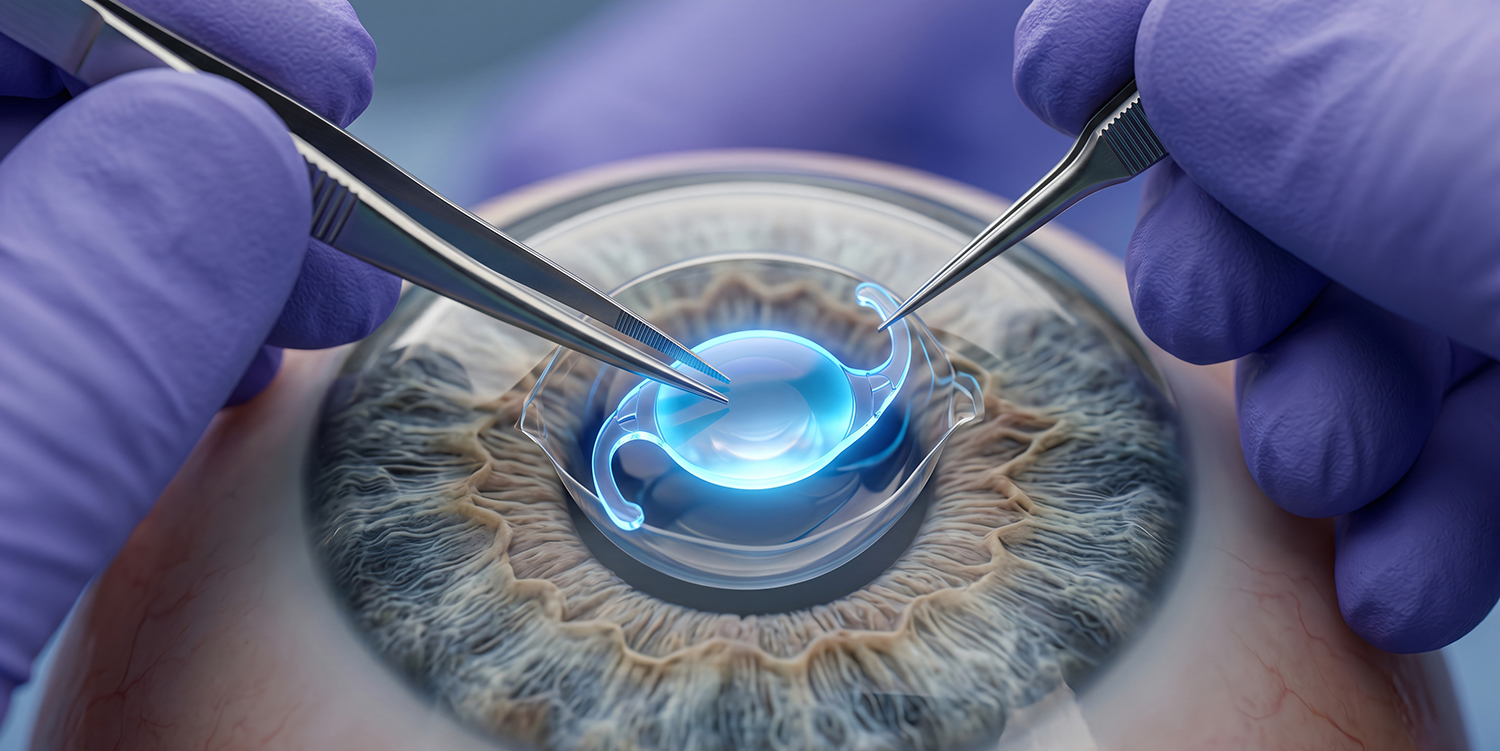
During cataract surgery, the cloudy natural lens is removed and replaced with a clear artificial lens called an intraocular lens (IOL).
The procedure is typically performed on one eye at a time.
Choosing the Right Intraocular Lens
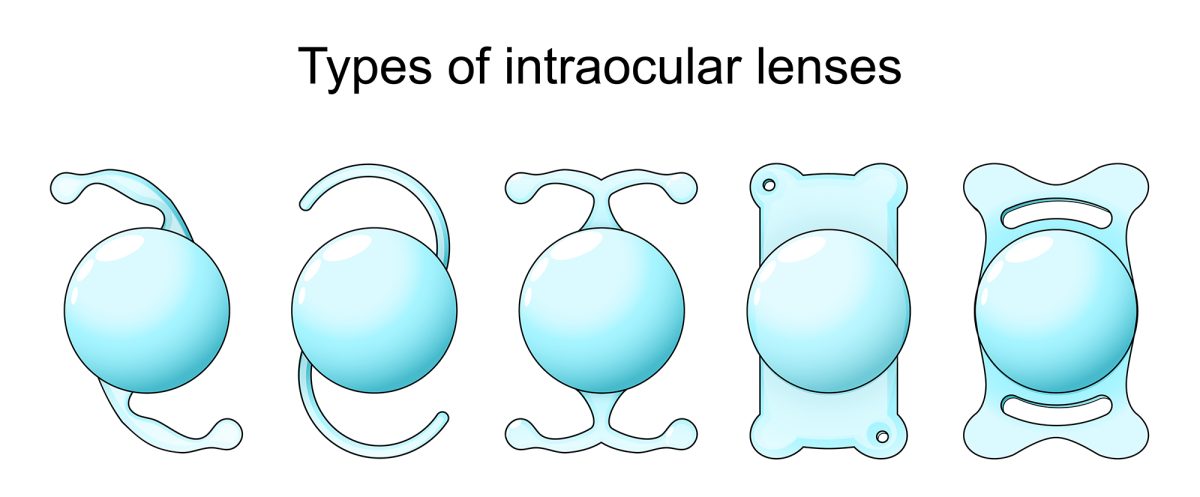
One of the most important decisions surrounding cataract surgery is the type of intraocular lens (IOL) used to replace your natural lens.
There are several types of IOLs available. Depending on your eyes, lifestyle, and visual goals, your doctor may discuss options designed to provide clear vision at different distances.
Some patients may still need glasses after surgery, while others may be candidates for advanced lens options that can reduce their dependence on glasses.
There is no single lens that is right for everyone. Your eye doctor at Atlanta Eye Care will evaluate your eyes and discuss the advantages, limitations, and potential benefits of the available options.
About Cataract Surgery
All of our doctors at Windward Eye Care and Alpharetta Eye Clinic are experts when it comes to cataracts. When we diagnose you with cataracts we will recommend you to a cataract surgeon. We will work with that surgeon during the entire cataract surgical process. Prior to the procedure, we will determine the best IOL type for your condition and specific lens power calculations.
Our cataract surgical partners perform cataract surgery on an outpatient basis. Surgeons perform more than 3 million cataract surgeries, one of the most common and successful medical procedures, annually. Following surgery, many patients experience better vision than they had before they developed cataracts. The surgical procedure usually takes between 15 and 30 minutes to remove the cloudy natural lens inside the eye and replace it with a new intraocular lens.
After numbing the eyes, with eye drops or a local anesthetic, the surgeon places an eyelid holder between the eyelids to keep the patient from blinking. Using a small incision, the surgeon breaks the cataract into microscopic particles and removes the particles using suction.
Last, a folded intraocular lens is inserted through the micro-incision, unfolded, and carefully placed into its permanent position. The small, self-sealing incision usually requires no stitches. It remains tightly closed by the natural outward pressure within the eye. This type of incision heals fast and provides a much more comfortable recuperation.
Traditional Cataract Surgery or Laser Cataract Surgery
Which is used more often now, laser cataract surgery or traditional cataract surgery?
Usage and Frequency
- Traditional technique: Accounts for roughly 85% to 90% of all cataract procedures. It remains the global gold standard because of its long history of safety and effectiveness.
- Laser-assisted technique (FLACS): Accounts for only about 10% to 15% of procedures in the United States
Why Traditional Surgery is More Common
- Cost: Standard traditional cataract surgery is fully covered by health insurance and Medicare.
- Out-of-pocket fees: Laser-assisted systems involve extra equipment costs, and insurance often categorizes the laser portion as a non-covered add-on service, leading to extra charges for patients.
- Outcomes: Clinical studies show that laser surgery offers high precision for specific tasks (like correcting astigmatism or placing premium lenses), but it does not yield lower overall complication rates or better standard visual outcomes than traditional manual techniques.
What Is Recovery Like After Cataract Surgery?
Most people notice that their vision begins improving relatively quickly after cataract surgery, although complete healing takes longer.
Your doctor will provide specific instructions regarding eye drops, protecting your eye, physical activity, and follow-up appointments.
It’s normal for vision to fluctuate somewhat during the healing process. You may also experience mild irritation, light sensitivity, or a feeling that something is in your eye during the early recovery period.
Your eye care team will monitor your healing and make sure your eye is recovering properly.

What If Vision Becomes Cloudy Again After Cataract Surgery?
A cataract cannot grow back after it has been removed. However, some patients develop clouding of the membrane behind the artificial lens. This is called posterior capsule opacification (PCO) and is sometimes referred to as a “secondary cataract.”
PCO can cause vision to become cloudy or blurry months or even years after cataract surgery.
Fortunately, it can usually be treated with a quick, painless laser procedure called a YAG laser capsulotomy.
When Should You Consider Cataract Surgery?
The decision to have cataract surgery is personal. A cataract may be present for years without requiring treatment.
You may want to discuss cataract surgery with your eye doctor if you are:
- Having trouble reading even with your glasses
- Struggling to see while driving, especially at night
- Experiencing bothersome glare or halos
- Finding that colors look dull
- Frequently needing stronger glasses
- Avoiding activities you enjoy because of poor vision
- Having difficulty seeing clearly at work or in everyday situations
If cataracts are interfering with your life, you don’t necessarily have to simply live with blurry vision.
A comprehensive eye examination can determine whether cataracts are responsible for your vision changes and whether it’s time to consider treatment.
Clearer Vision Starts With an Eye Exam
Cataracts are a normal part of aging for many people, but significant vision loss doesn’t have to be.
At Atlanta Eye Care, our doctors can evaluate your vision, determine whether cataracts are affecting your eyes, and help you understand your treatment options.
If you’re noticing cloudy vision, glare, difficulty seeing at night, or other changes in your eyesight, schedule a comprehensive eye examination.